Tax Benefits on Home Loans for a Second Home: Section 24, 80C and 54

Buying a second home? Here is how interest, principal and capital gains are treated under Indian tax rules, and what changes if you let it out...
A second home can be a residence, a rental or both, and the tax treatment changes with each. This guide explains the tax benefits on home loan for second home purchases under the main sections of the Income Tax Act. Rules and limits change, and the old and new tax regimes differ, so confirm your position with a tax adviser before relying on any benefit.
Section 24 interest deduction
The Section 24 interest deduction covers interest paid on a home loan. Under the old regime, interest on self-occupied homes is capped at Rs 2 L a year in total, and up to two homes can be treated as self-occupied. If a home is let out, interest is deductible against the rent without that cap, but any resulting loss that can be set off against other income is limited to Rs 2 L a year, with the balance carried forward for up to eight years. Under the new regime, the deduction for self-occupied homes is not available, and set-off of let-out losses against other income is not allowed.
Interest during construction
For an under-construction home, interest paid before completion is not deducted immediately. It is claimed in five equal instalments starting from the year construction is completed, within the overall limits.
Principal repayment under Section 80C
Under the old regime, principal repayments qualify for deduction under Section 80C, within the overall Rs 1.5 L limit shared with other eligible investments. Stamp duty and registration can also count within that limit in the year paid.
Rental income
If you let the home, rent is taxable as income from house property, with a standard deduction of 30% of the net annual value for repairs and upkeep, plus the interest deduction above.
Capital gains exemption under Section 54
When you sell a residential home held for the long term, the capital gains exemption under Section 54 lets you save tax by reinvesting the gain in another residential home, bought within one year before or two years after the sale, or built within three years. The exemption is capped at Rs 10 Cr. Where the gain is up to Rs 2 Cr, a once-in-a-lifetime option allows investment in two homes.
Putting it together
The tax benefits on home loan for second home purchases work best when the home is let out and you are under the old regime. Combine them with rental yields of 3.5% – 4% a year semi-furnished and 4% – 4.5% furnished for A-class developer homes, and the effective return improves. Our home loan eligibility guide and NRI guide add further detail.
See homes from Rs 2.15 Cr++ on our price list, visit the Codename Club Class homepage, or talk to our team.
Related reading: What Salary Do You Need for a Rs 2.5 Crore Home Loan and NRI Guide to Buying Property in Bangalore.
FAQs
How much interest can I deduct on a second home?
Under the old regime, up to Rs 2 L a year in total for self-occupied homes; let-out homes have no cap against rent, but loss set-off is limited to Rs 2 L.Is interest during construction deductible?
Yes, in five equal instalments from the year construction is completed.Can I claim principal repayment?
Under the old regime, within the Rs 1.5 L limit of Section 80C.What does Section 54 allow?
Exemption on long-term gains from selling a home if reinvested in another residential home, capped at Rs 10 Cr.
Related Articles

KIADB Aerospace Park and ITIR: What They Mean for North Bangalore Housing
Aerospace manufacturing and an IT investment region near the airport are adding jobs on Bangalore's northern edge. Here is what that means for housing...

How Bangalore's Startup and GCC Boom Drives Housing Demand
Start-ups and global capability centres keep adding well-paid jobs in Bangalore. Here is how that translates into demand for homes...

Why Is North Bangalore Growing So Fast? The Key Growth Drivers
Offices, the airport, new metro lines and a shift upmarket: here are the forces behind North Bangalore's rapid growth and what they mean for buyers...
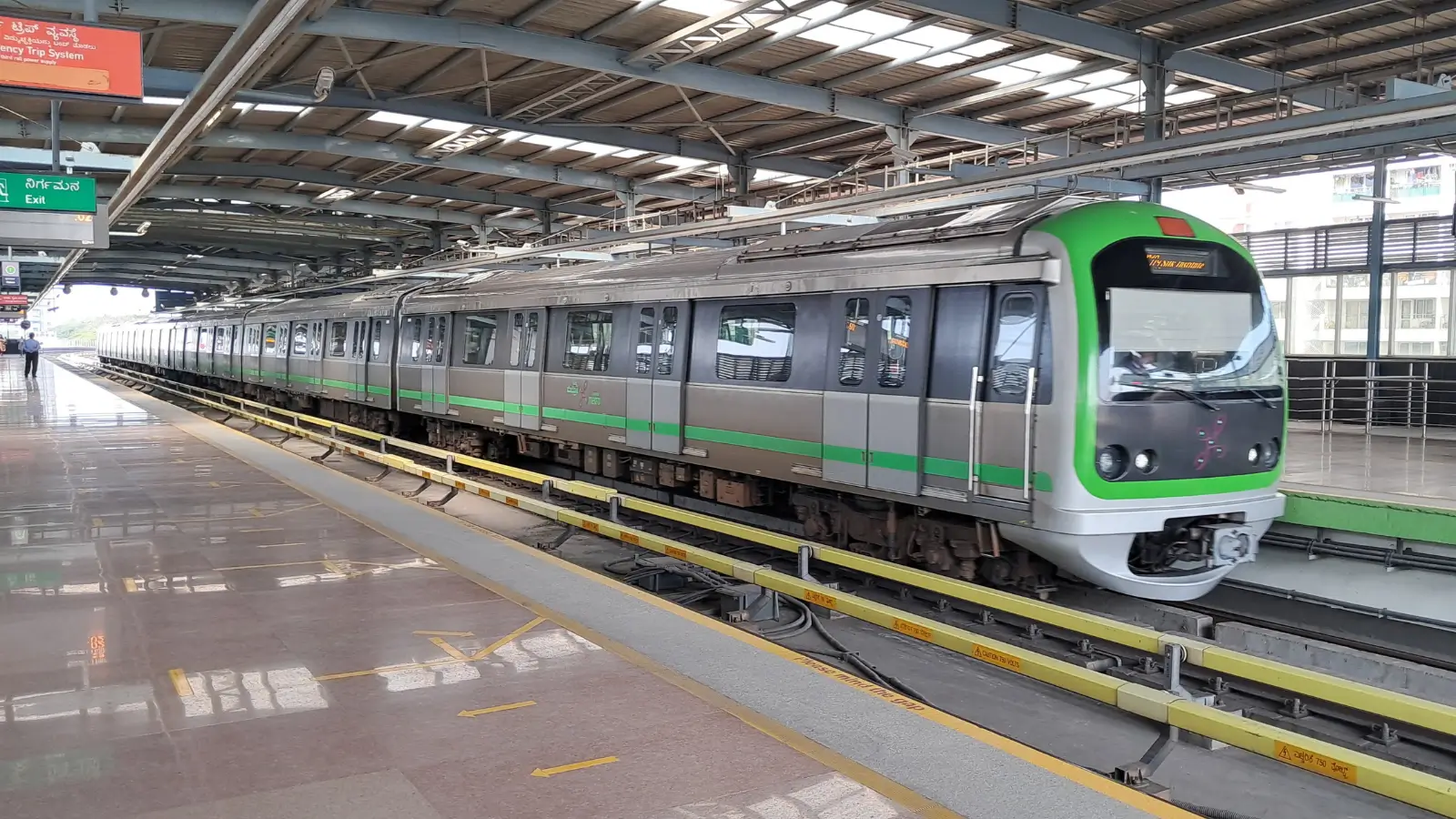
Namma Metro Phase 2 Timeline: Which Lines Open When
Two new lines matter most to North Bangalore: the Pink Line to Nagawara and the Blue Line to the airport. Here is where each stands...