How Bangalore's Startup and GCC Boom Drives Housing Demand

Start-ups and global capability centres keep adding well-paid jobs in Bangalore. Here is how that translates into demand for homes...
Bangalore's reputation rests on technology, and its housing market follows the same story. Understanding the Bangalore startup ecosystem impact on housing demand helps explain why well-located homes near office corridors stay in demand.
Start-ups and scale-ups
The city hosts a large community of start-ups, from early-stage companies to firms that have grown into large employers. As they scale, they hire engineers, product managers and senior leaders who often relocate from other cities and need homes. Many start by renting close to work, then buy once they settle.
GCC growth in Bangalore
GCC growth in Bangalore adds a second, steadier source of jobs. Global capability centres are offices set up by international companies to run technology, research, finance and operations work from India. They tend to offer stable, well-paid roles and often cluster in large office parks, including those in the northern corridor.
Tech jobs and housing demand
The link between tech jobs and housing demand is direct. Each wave of hiring adds households looking for homes with a short commute, reliable amenities and space to work from home. In North Bangalore, offices such as Manyata Embassy Business Park, Bhartiya City and Karle Town Centre sit within about 8 km of Thirumenahalli in Thanisandra. Our guide to Manyata's impact on Thanisandra explains how that feeds local demand.
What tech households look for
Tech households typically prioritise commute time, a study or home office, good connectivity, gated security and amenities that work for young families. Larger 3 BHK homes and 3.5 BHK homes with a study suit that profile well.
Effect on prices and rents
Sustained hiring supports both prices and rents. Thanisandra values have risen about 90.1% – 94.2% over five years, and rental yields for A-class developer homes run at 3.5% – 4% a year semi-furnished and 4% – 4.5% furnished.
Where tech workers choose to live
Many tech professionals start by renting close to their office, then buy once their role and family plans settle. Corridors with offices, schools and malls within a short drive, such as Thanisandra, tend to capture both stages of that decision, which supports demand for rentals and purchases alike.
The risk to watch
Tech hiring moves in cycles, and slowdowns can soften rental demand for a time. Homes in established corridors with a mix of employers tend to weather those cycles better than those dependent on a single office park.
In summary
The Bangalore startup ecosystem impact on housing demand is strongest where jobs, amenities and connectivity meet. Our look at why North Bangalore is growing so fast adds context. At Codename Club Class, 3.5 BHK homes include a study; see the location page or book a site visit.
Related reading: Why Is North Bangalore Growing So Fast and How Manyata Tech Park Shapes Thanisandra's Real Estate Demand.
FAQs
How do start-ups affect housing demand?
Hiring brings new households who rent and later buy near their offices.What is a GCC?
A global capability centre: an office set up by an international company to run technology and business functions from India.Which offices are near Thanisandra?
Manyata Embassy Business Park, Bhartiya City and Karle Town Centre are within about 8 km of Thirumenahalli.Is tech demand risky?
Hiring moves in cycles; corridors with a mix of employers tend to be more resilient.
Related Articles
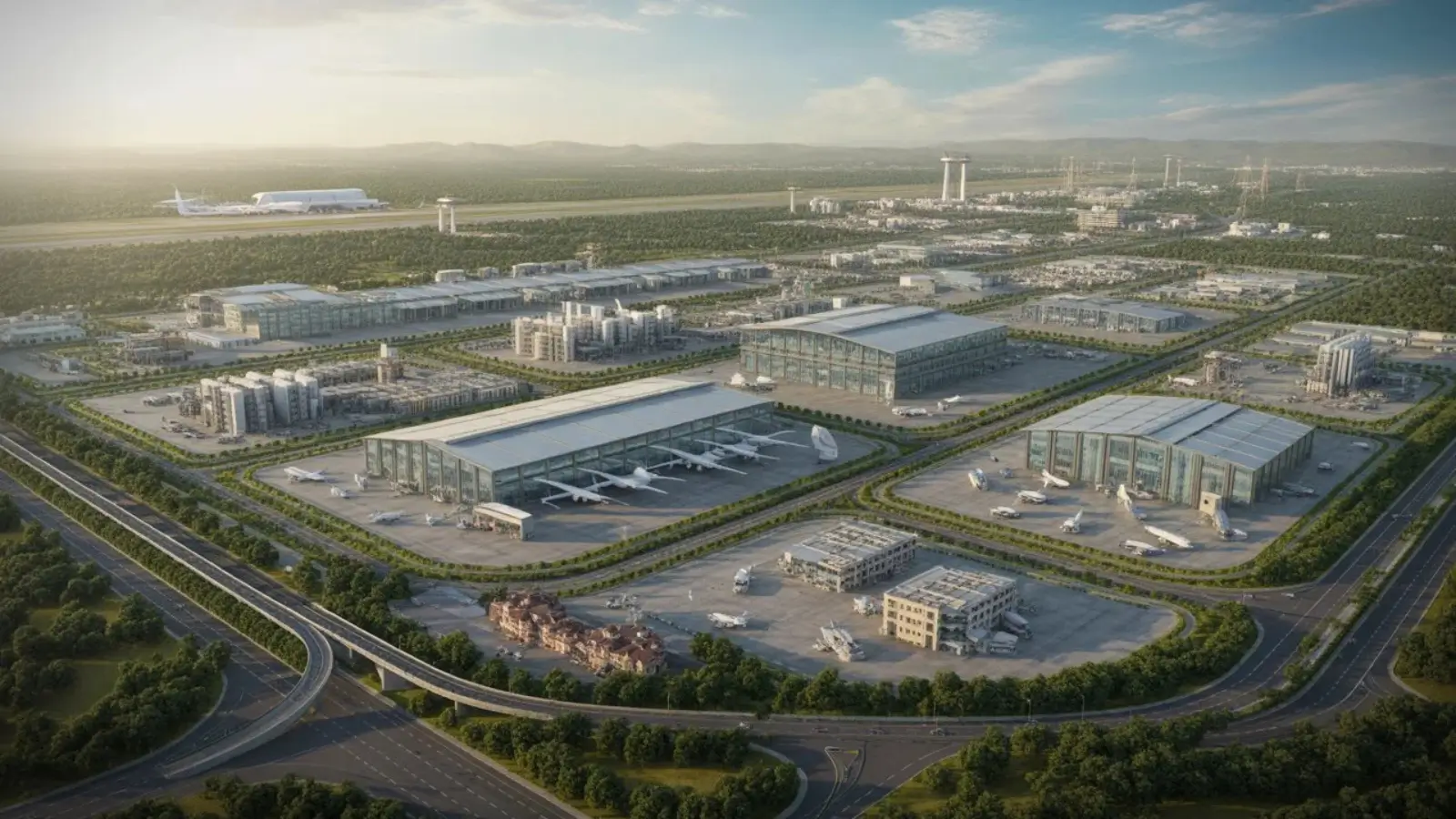
KIADB Aerospace Park and ITIR: What They Mean for North Bangalore Housing
Aerospace manufacturing and an IT investment region near the airport are adding jobs on Bangalore's northern edge. Here is what that means for housing...

Karnataka Stamp Duty and Registration Charges for Flats in 2026
Stamp duty, cess, surcharge and a registration fee that doubled in 2025: here is what buying a flat in Bangalore costs in government charges in 2026...
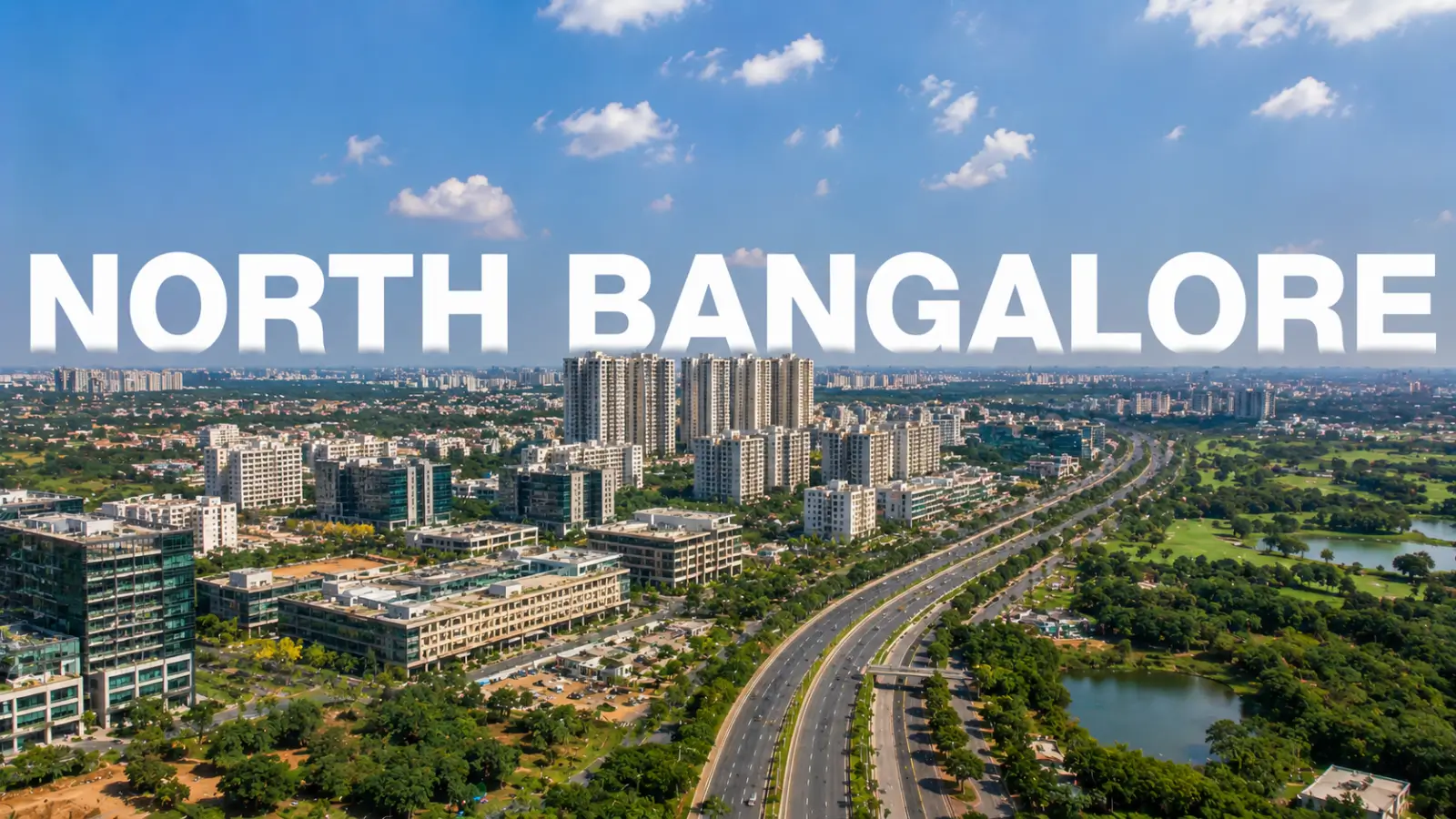
Why Is North Bangalore Growing So Fast? The Key Growth Drivers
Offices, the airport, new metro lines and a shift upmarket: here are the forces behind North Bangalore's rapid growth and what they mean for buyers...
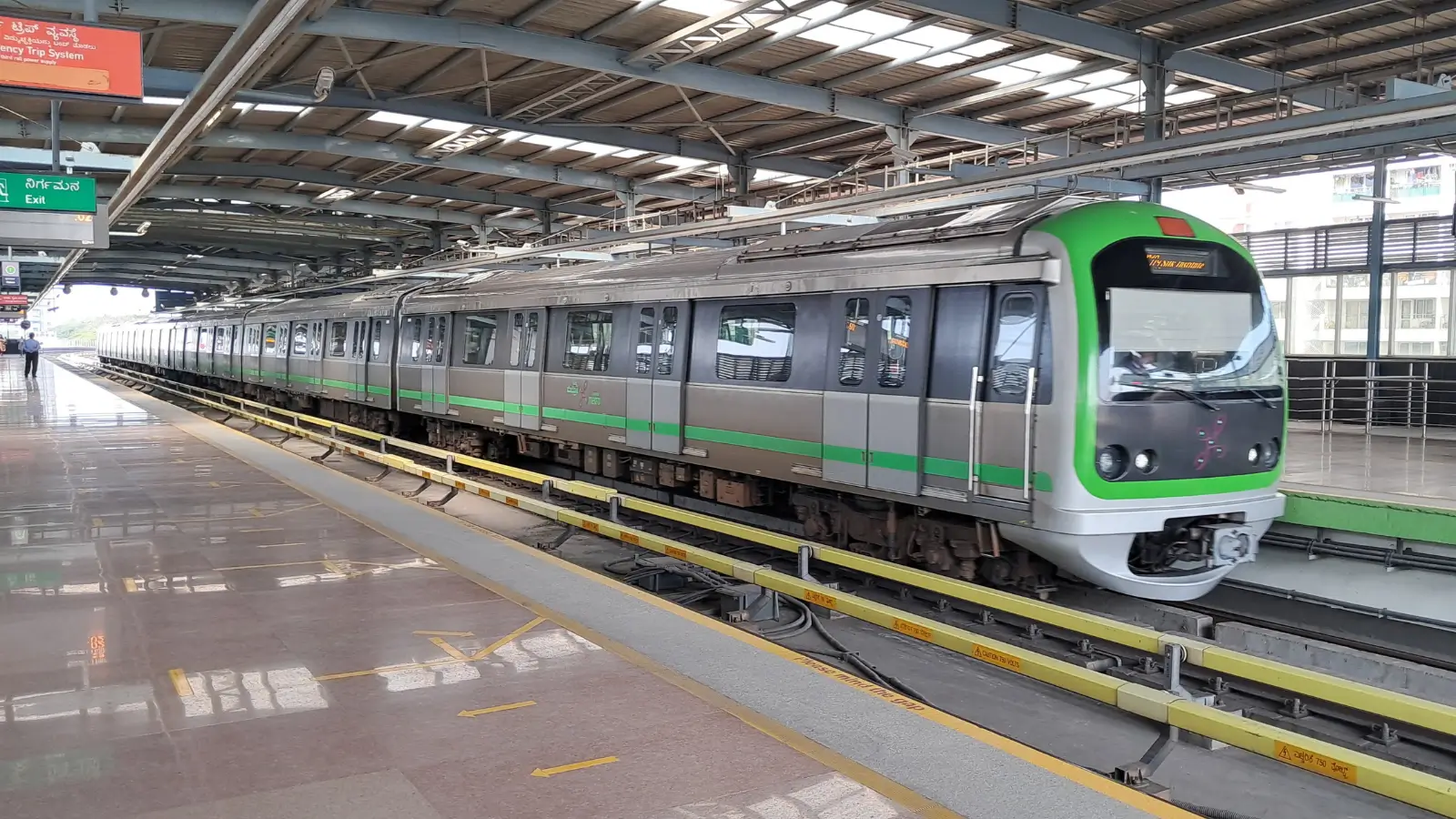
Namma Metro Phase 2 Timeline: Which Lines Open When
Two new lines matter most to North Bangalore: the Pink Line to Nagawara and the Blue Line to the airport. Here is where each stands...