Joint Development Agreements Explained: What Flat Buyers Should Know

Many Bangalore projects are built under joint development agreements. Here is how they work, and what flat buyers should check...
Many residential projects in Bangalore are built under a joint development agreement (JDA) between a landowner and a developer. Understanding joint development agreement flat buyer rights helps you ask the right questions before booking. This guide explains the basics; always have documents reviewed by a property lawyer.
How a JDA works
Under a JDA, the landowner contributes the land and the developer builds the project. In return, the landowner receives a share of the finished homes, a share of the sales revenue or a mix of both. The developer sells the rest. Its terms set out who does what, who can sell which units and how responsibilities are split.
Landowner share in JDA projects
The landowner share in JDA projects matters to buyers because some units are sold by the landowner rather than the developer. If you buy from the landowner's share, check who signs your agreement, who collects payments and who is responsible for delivery. The terms should be clear in the JDA and reflected in the RERA filing.
JDA property title check
A careful JDA property title check covers the landowner's title to the land, the registered JDA itself, any general power of attorney given to the developer, and encumbrance details showing that the land is free of loans or disputes. The approved plans should also match the land described in these documents.
Joint development agreement flat buyer rights under RERA
RERA strengthens buyers' position. A registered project must disclose its promoters, and where land is contributed by a landowner under a JDA, both the developer and the landowner can carry obligations as promoters. Buyers get the same protections on carpet area, timelines and refunds regardless of which share their unit comes from.
Applying this to Club Class
For Club Class, the land-ownership or joint-development arrangement will appear in the Karnataka RERA filing once registration is granted. Confirm that Multigen Developers Private Limited is the promoter named there, review the land arrangement and ask which share your chosen unit falls under, if relevant. Our builder credibility checklist and our RERA verification guide cover the steps.
Documents to keep
Keep copies of the registered JDA, the title documents, the RERA certificate and your agreement for sale together. If you ever sell or refinance, a lender or buyer will ask for the same chain of documents, and having them ready saves weeks.
Questions to ask
Is the project under a JDA? Who signs the agreement for sale? Is the JDA registered? Which units belong to the landowner's share? Clear answers to these four questions remove most of the uncertainty.
Visit the Codename Club Class homepage or ask our team for the documents.
Related reading: How to Check a Builder's Credibility Before You Buy and Codename Club Class RERA Registration.
FAQs
What is a joint development agreement?
An agreement where a landowner contributes land and a developer builds the project, sharing the finished units or revenue.Does buying from the landowner's share change my rights?
Under RERA, buyers get the same protections; check who signs and who is responsible for delivery.What should a title check cover?
The landowner's title, the registered JDA, any power of attorney and encumbrance details.Where will Club Class's land arrangement be disclosed?
In the Karnataka RERA filing once registration is granted.
Related Articles

KIADB Aerospace Park and ITIR: What They Mean for North Bangalore Housing
Aerospace manufacturing and an IT investment region near the airport are adding jobs on Bangalore's northern edge. Here is what that means for housing...

How Bangalore's Startup and GCC Boom Drives Housing Demand
Start-ups and global capability centres keep adding well-paid jobs in Bangalore. Here is how that translates into demand for homes...

Why Is North Bangalore Growing So Fast? The Key Growth Drivers
Offices, the airport, new metro lines and a shift upmarket: here are the forces behind North Bangalore's rapid growth and what they mean for buyers...
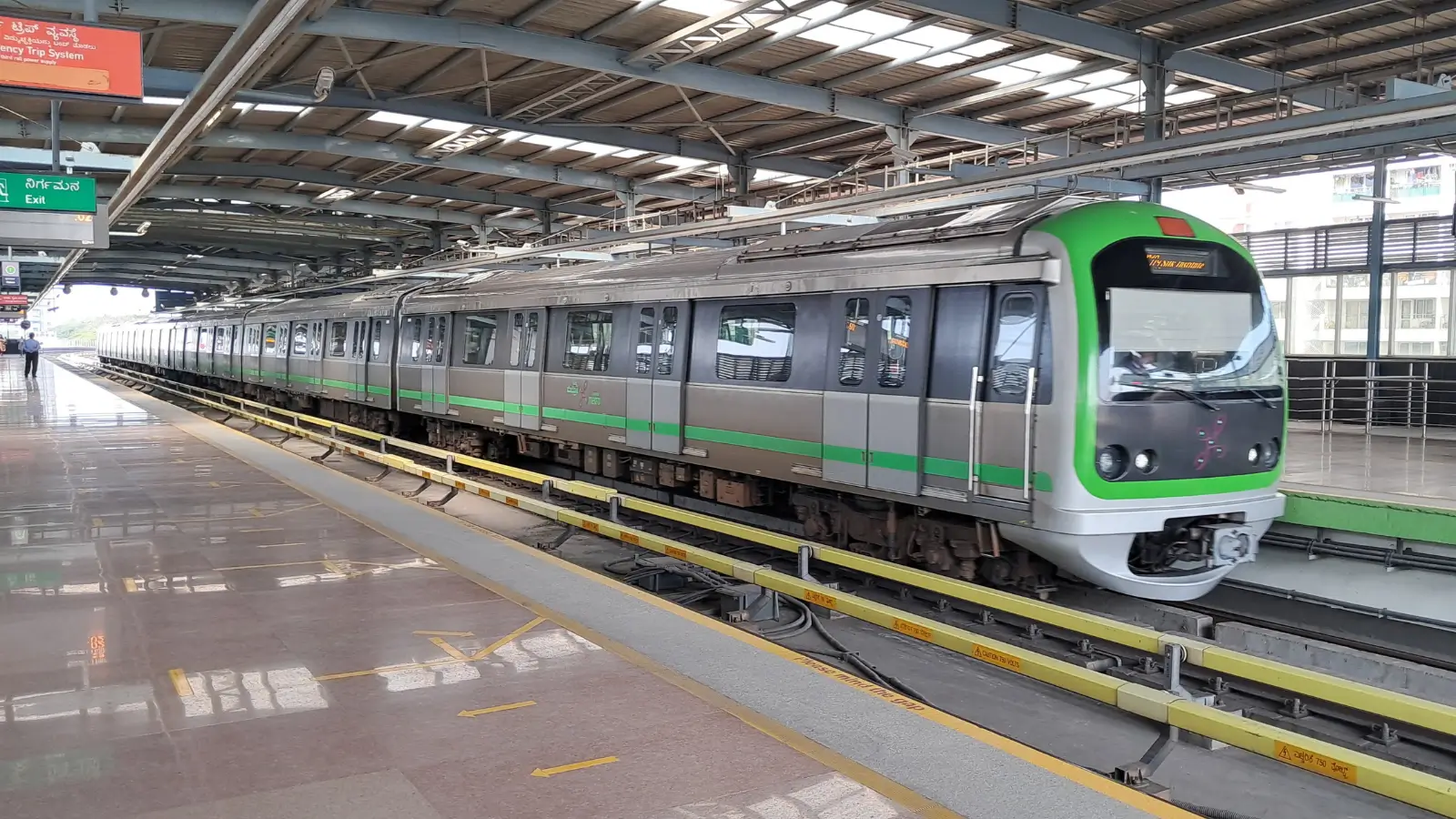
Namma Metro Phase 2 Timeline: Which Lines Open When
Two new lines matter most to North Bangalore: the Pink Line to Nagawara and the Blue Line to the airport. Here is where each stands...