Aluminium Formwork (Mivan) Construction: What It Means for Homebuyers
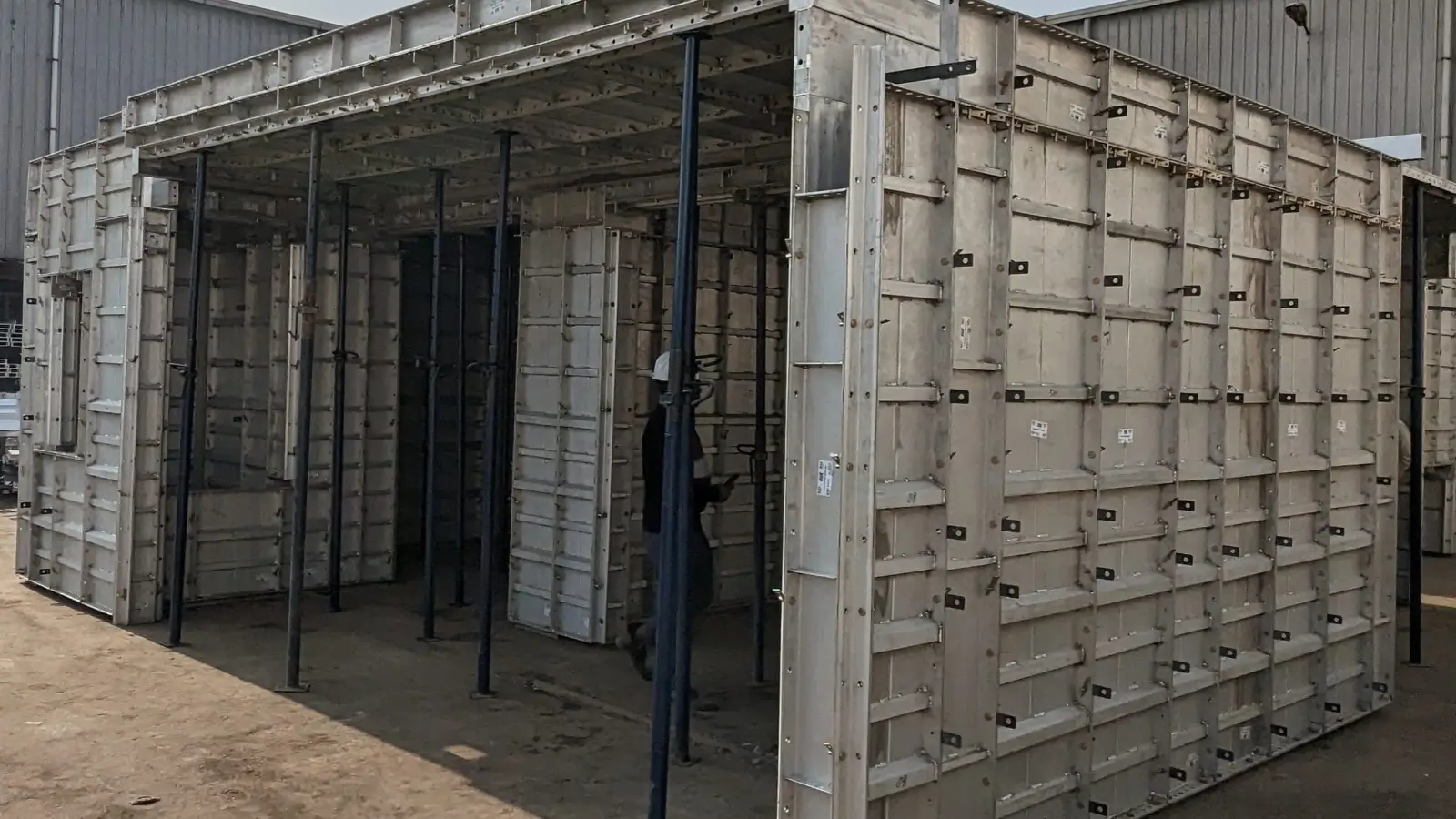
Mivan, or aluminium formwork, is common in Bangalore high-rises. Here is what it means for quality, speed and living in the finished home...
Many new towers in Bangalore use aluminium formwork, often called Mivan. At Club Class, the indicated structure is RCC framed and built with aluminium formwork (Mivan or Aluform), designed to be seismic-zone compliant. Here are the aluminium formwork construction benefits for buyers, and the trade-offs worth knowing.
How it works
In aluminium formwork construction, walls and slabs are cast together in concrete using reusable aluminium moulds. Instead of building a concrete frame and filling it with brick or block walls, the structure and most internal walls become a single monolithic concrete shell.
The benefits
Consistency. Factory-made moulds produce uniform walls and slabs, floor after floor, with fewer variations in dimensions.
Speed. Floor cycles tend to be faster than conventional methods, which helps keep tall towers on schedule.
Fewer joints. Monolithic casting reduces the joints between frame and wall where cracks often appear.
Durability. Concrete walls resist impact and are well suited to high-rise structures in seismic zones.
Mivan vs conventional construction
Comparing Mivan vs conventional construction, conventional frames with brick or block infill are easier to modify later and can be cheaper for low-rise buildings. Aluminium formwork suits repetitive high-rise floors, like the 28 storeys at Club Class, where speed and consistency matter most.
Mivan apartment leakage myths
Mivan apartment leakage myths are common. Monolithic concrete actually reduces the joints through which water usually enters, so leakage is not inherent to the method. Where problems occur, they usually come from poor workmanship at openings, plumbing penetrations or waterproofing, which apply to any method. Two practical points do apply: concrete walls are harder to drill or modify, so plan fixtures early, and hairline surface cracks can appear as concrete cures and should be finished properly.
Living in a Mivan home
Day to day, residents rarely notice the construction method. What they notice are its effects: straight walls and consistent room sizes, solid-feeling partitions and fewer cracks at wall joints. The main adjustment is planning where you want heavy fixtures, shelves and wall-mounted appliances, so that anchors are placed properly with the right tools.
What buyers should ask
Ask for the waterproofing specification, the concrete grade, and how plumbing and electrical conduits are embedded. Those answers tell you more than the method's name. Our guide to Multigen's design philosophy covers the planning side, and our construction status update tracks progress on site.
The aluminium formwork construction benefits for buyers are real when paired with good workmanship. See the specifications, visit the Codename Club Class homepage, or ask our team.
Related reading: The Multigen Design Philosophy and Codename Club Class Construction Updates.
FAQs
What is Mivan construction?
A method that casts walls and slabs together in concrete using reusable aluminium moulds.Does Mivan cause leakage?
Not inherently; monolithic casting reduces joints, and leaks usually come from workmanship at openings or waterproofing.Can I drill into Mivan walls?
Yes, with suitable tools, but concrete walls are harder to modify, so plan fixtures early.Is Club Class using Mivan?
The indicated structure is RCC framed with aluminium formwork (Mivan or Aluform).
Related Articles

KIADB Aerospace Park and ITIR: What They Mean for North Bangalore Housing
Aerospace manufacturing and an IT investment region near the airport are adding jobs on Bangalore's northern edge. Here is what that means for housing...

How Bangalore's Startup and GCC Boom Drives Housing Demand
Start-ups and global capability centres keep adding well-paid jobs in Bangalore. Here is how that translates into demand for homes...

Why Is North Bangalore Growing So Fast? The Key Growth Drivers
Offices, the airport, new metro lines and a shift upmarket: here are the forces behind North Bangalore's rapid growth and what they mean for buyers...
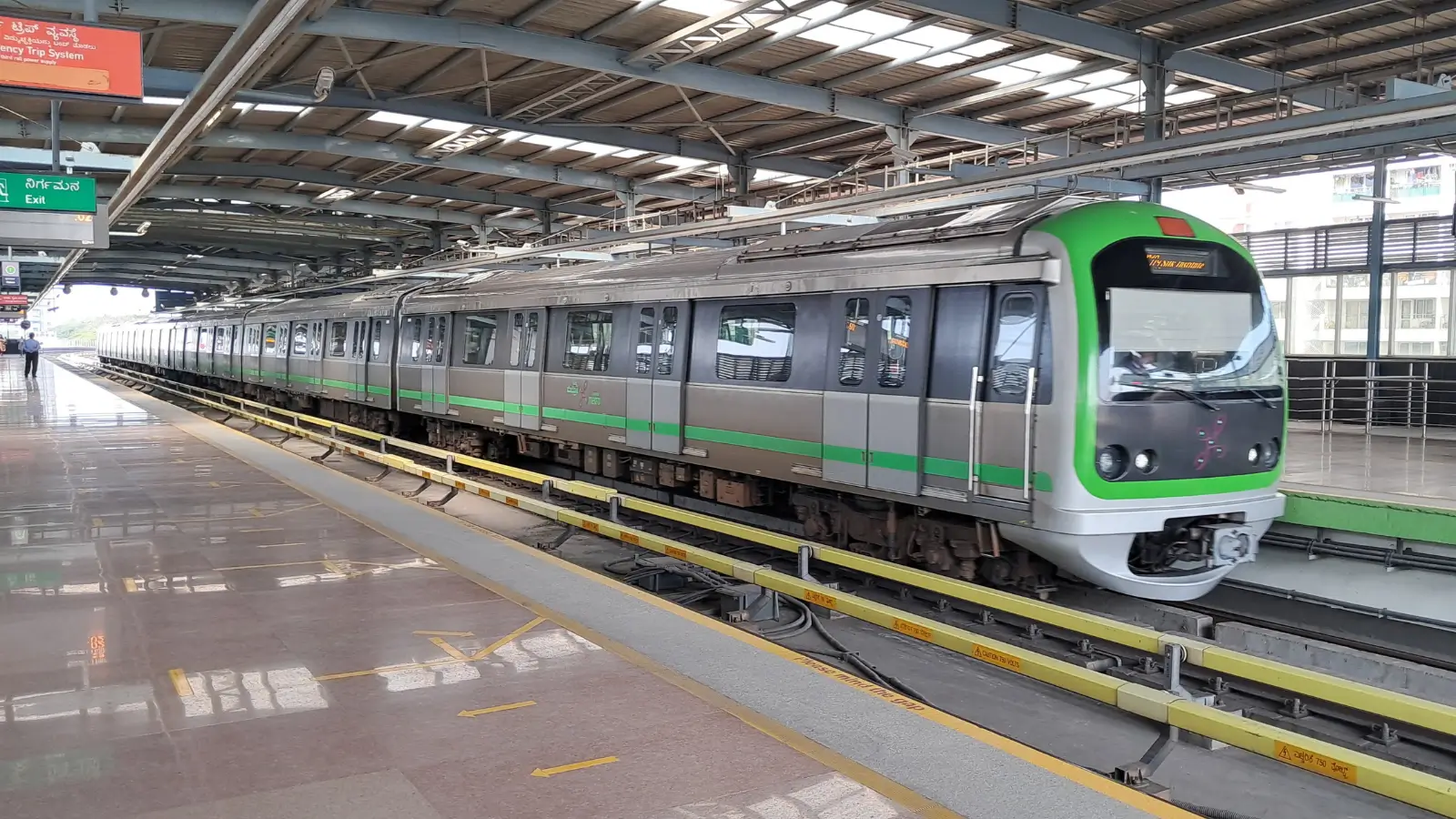
Namma Metro Phase 2 Timeline: Which Lines Open When
Two new lines matter most to North Bangalore: the Pink Line to Nagawara and the Blue Line to the airport. Here is where each stands...